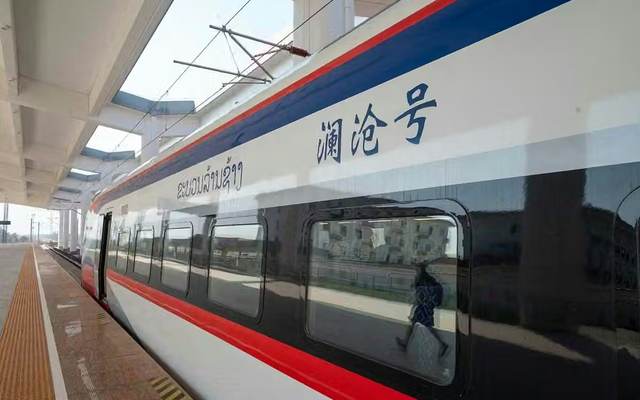
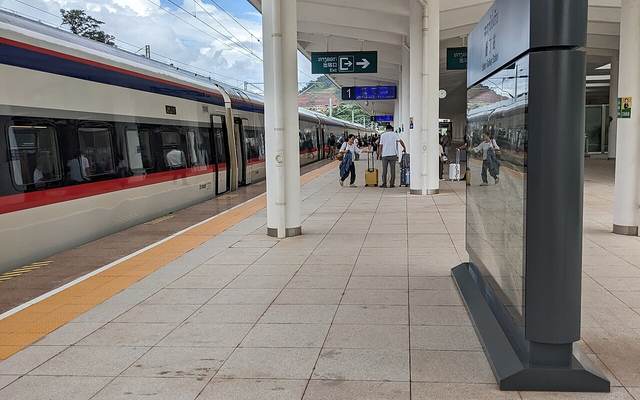
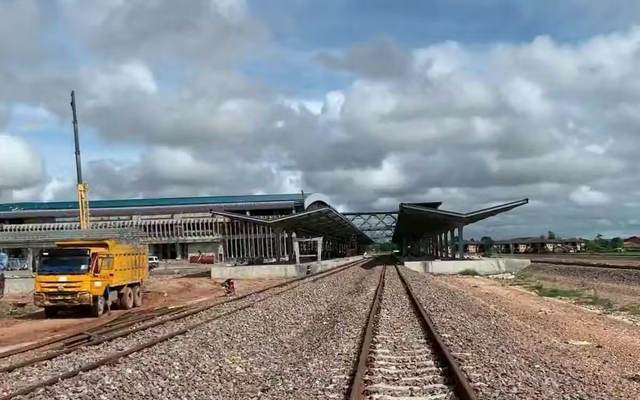
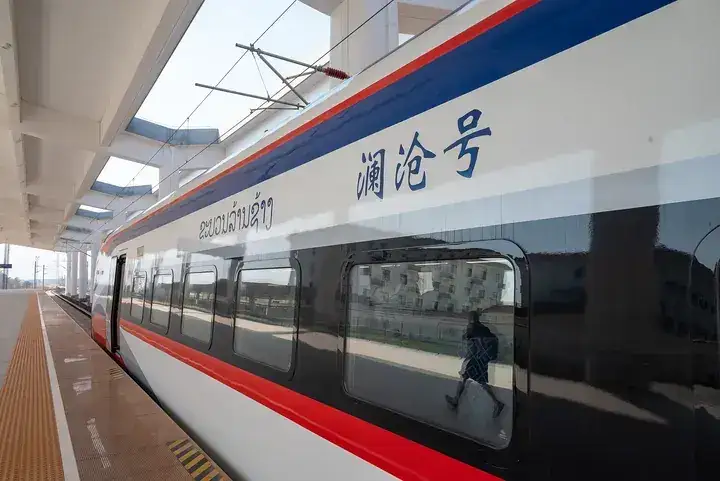
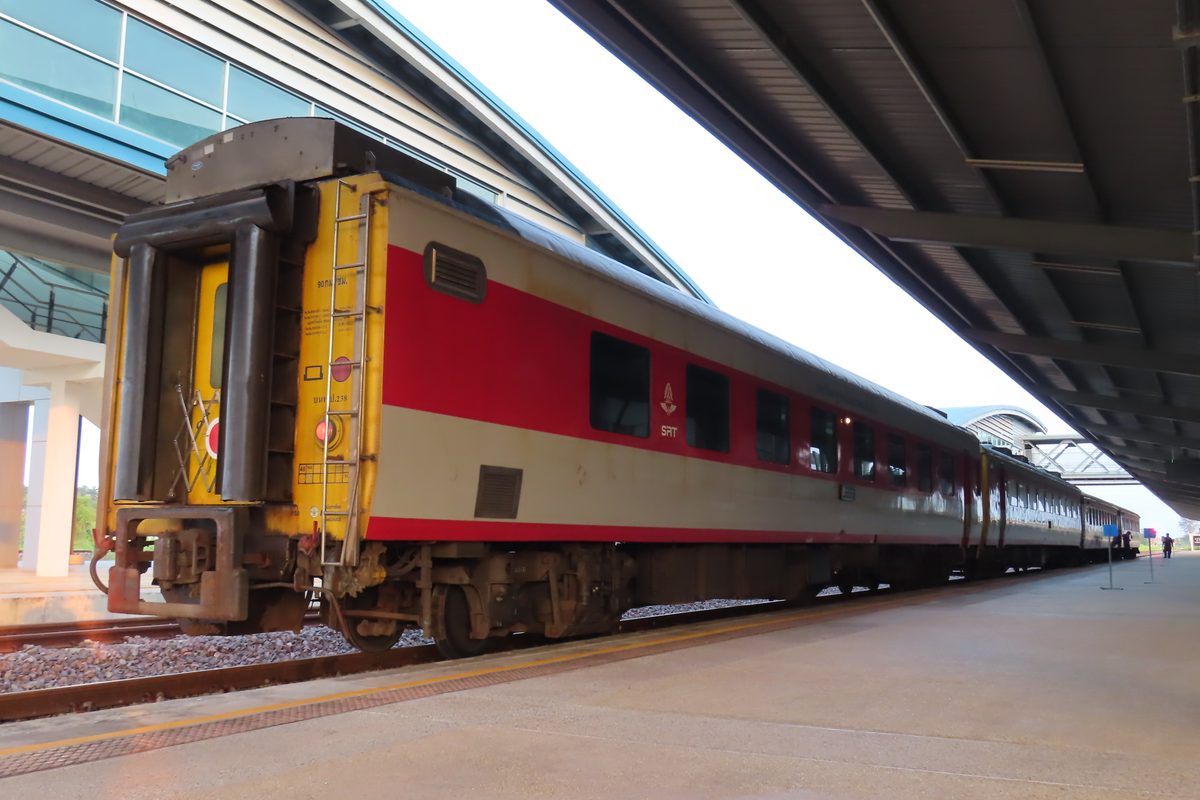
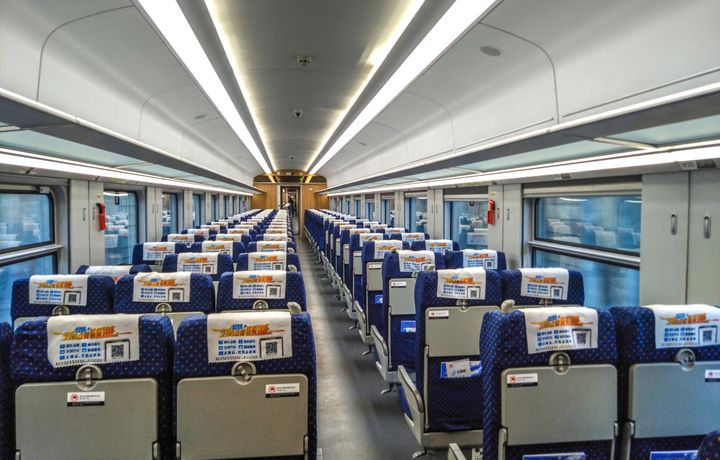
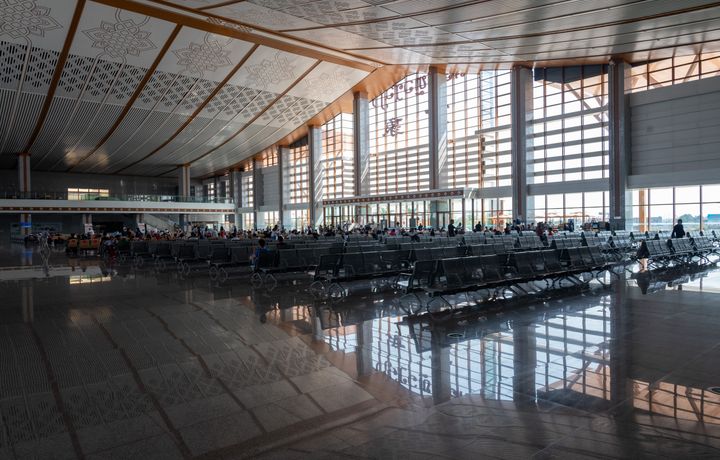
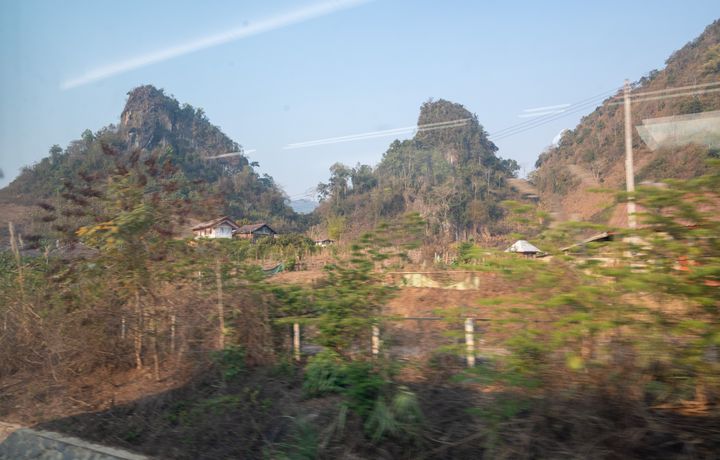
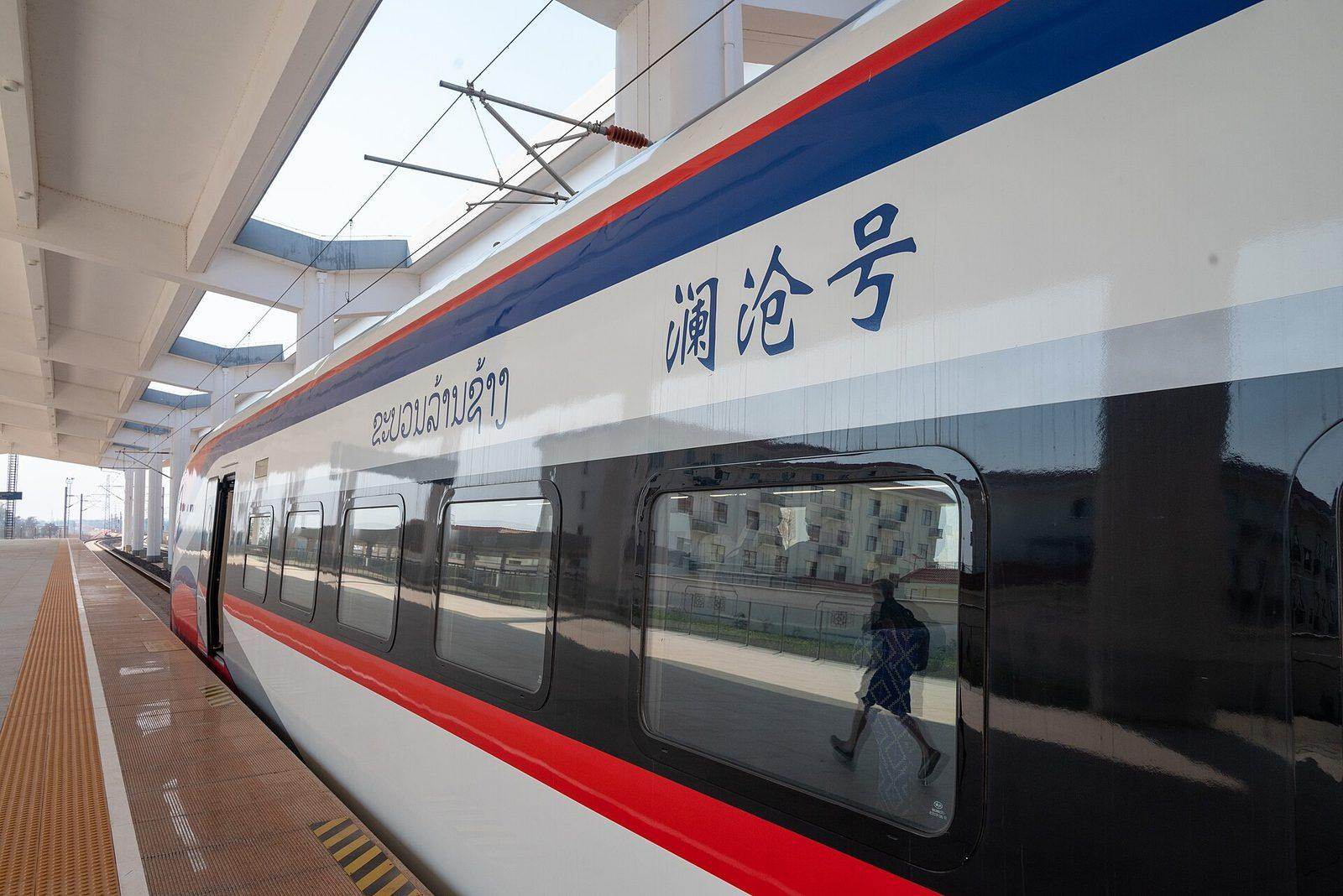
Laos–China Railway train waiting at Vientiane station

The independent railway guide

Laos by train

Tickets, train times, seat classes and station advice for Vientiane, Vang Vieng, Luang Prabang, northern Laos, Thailand and China.

The fast railway changed how visitors move through Laos—but the correct station, security and city transfer still matter.

Search train tickets
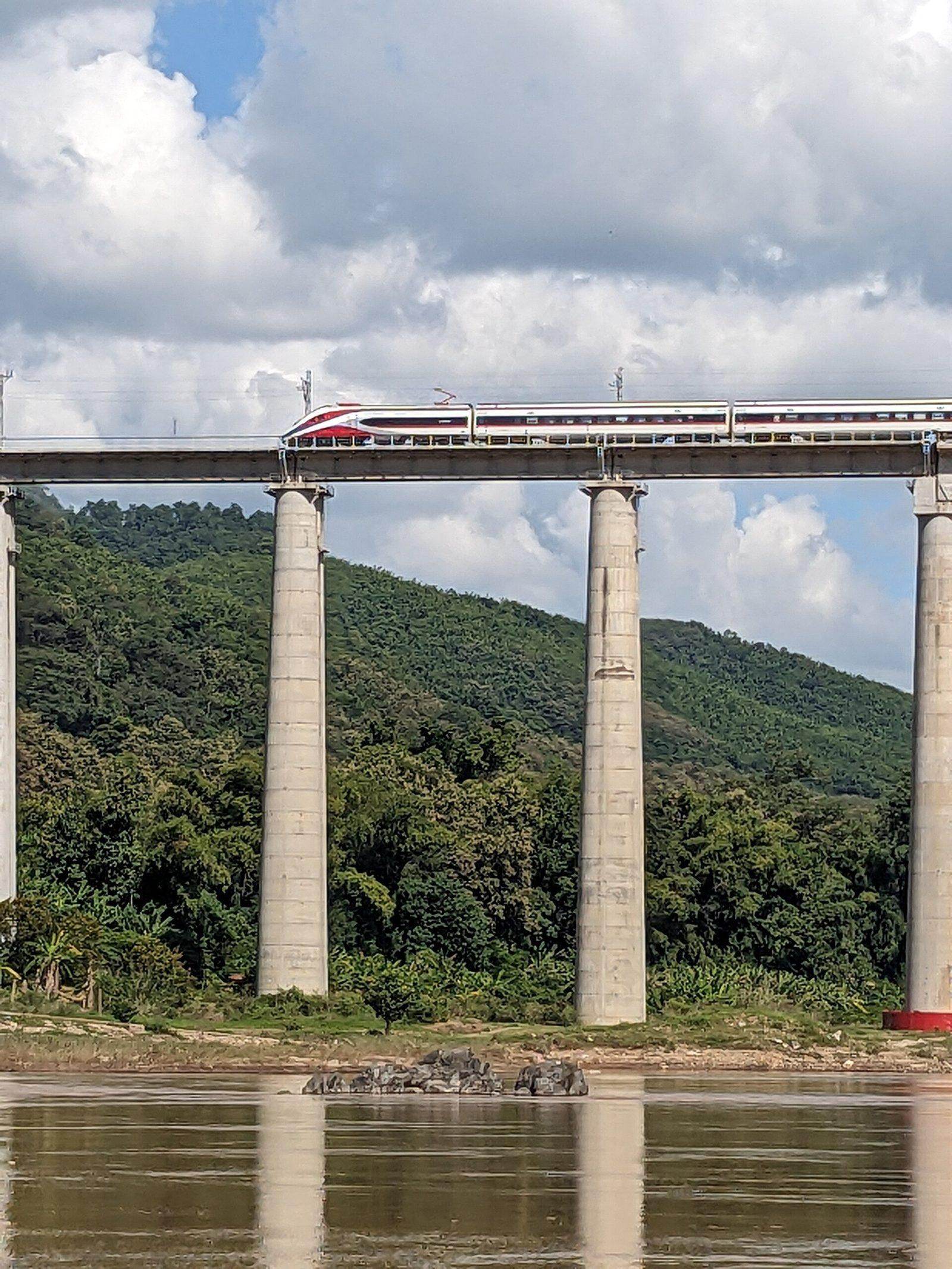
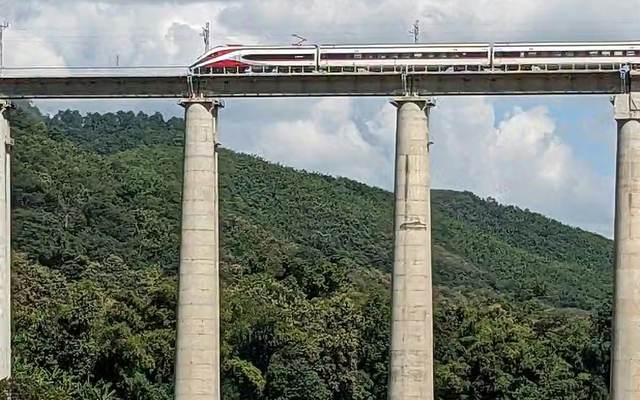
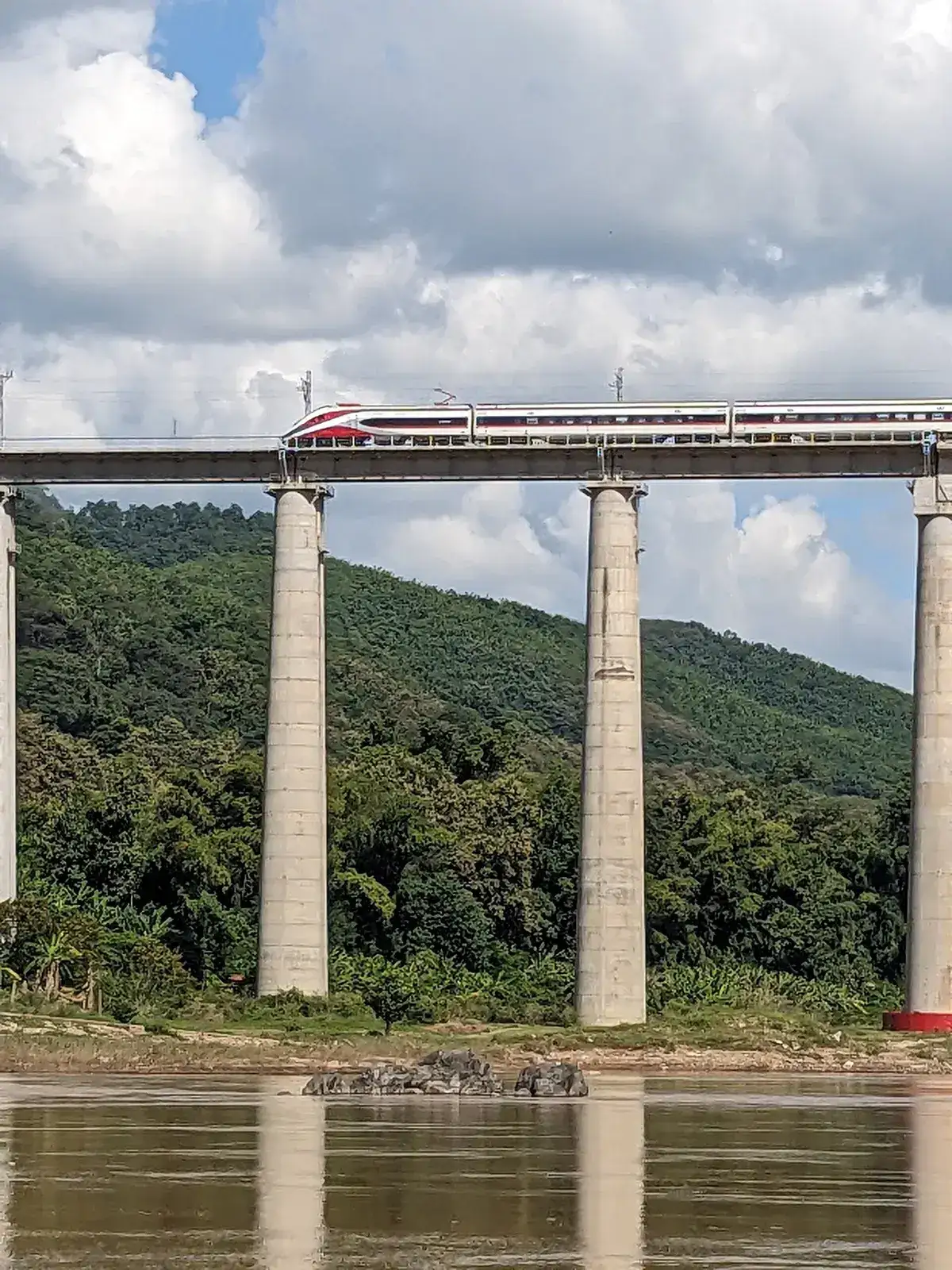
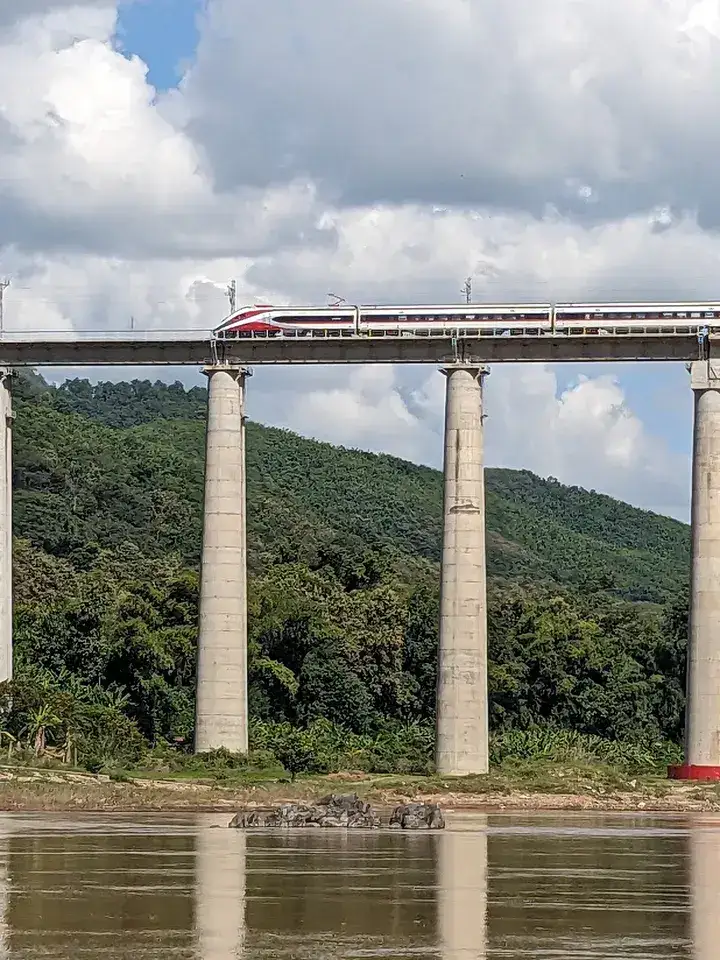
Laos–China Railway train crossing the Mekong north of Luang Prabang

About two hours on many fast services

Vientiane to Luang Prabang

The train is quick. Reaching the station, clearing security and continuing into Luang Prabang still belong in your travel plan.

Check this route
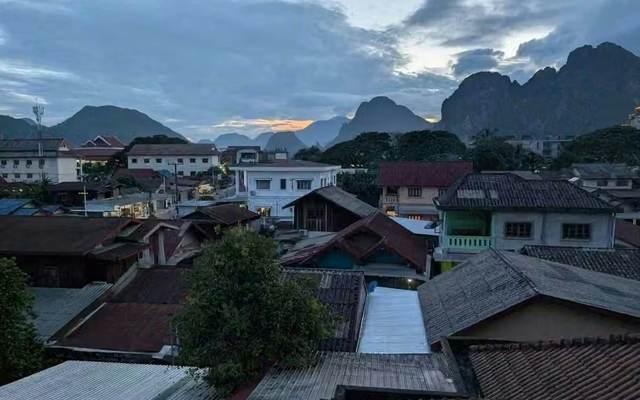
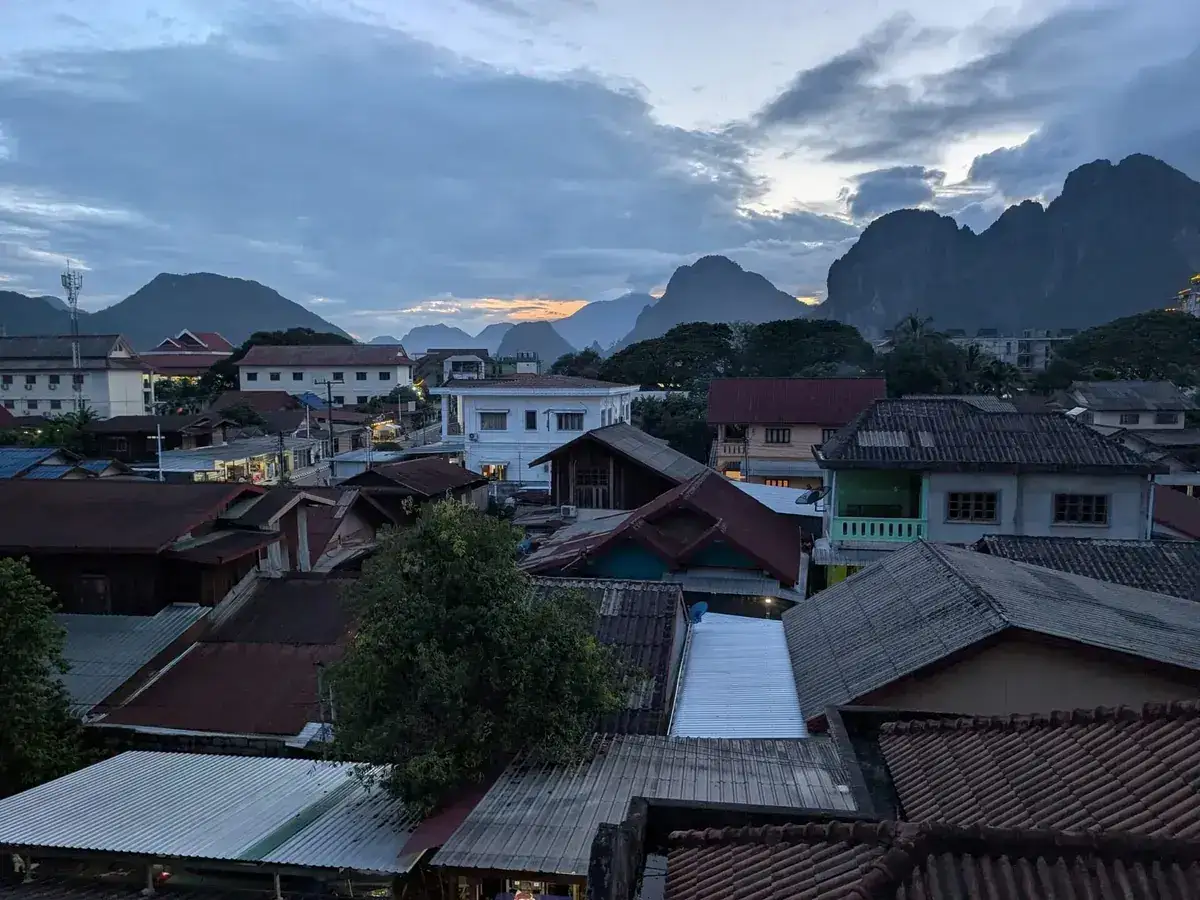
Vang Vieng skyline and limestone mountains at dusk

The classic first trip

Vientiane · Vang Vieng · Luang Prabang

Buy each leg separately so you can stay in Vang Vieng instead of treating it as a station on the way north.

See the itinerary
Train at Luang Prabang railway station

International D-series

Laos to China by rail

Trains continue through Boten and Mohan toward Kunming. Border formalities are part of the journey.

Plan the border journey
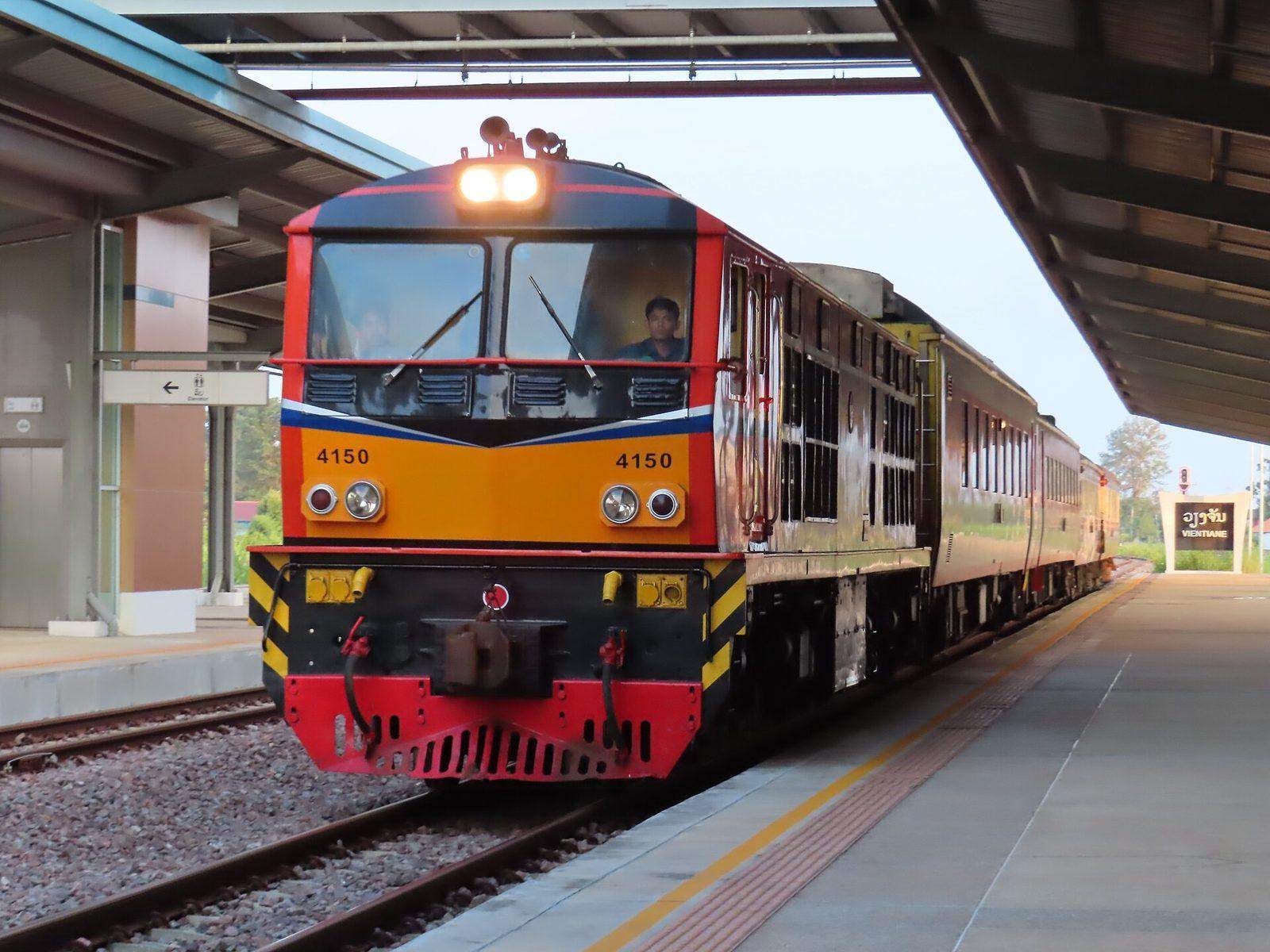
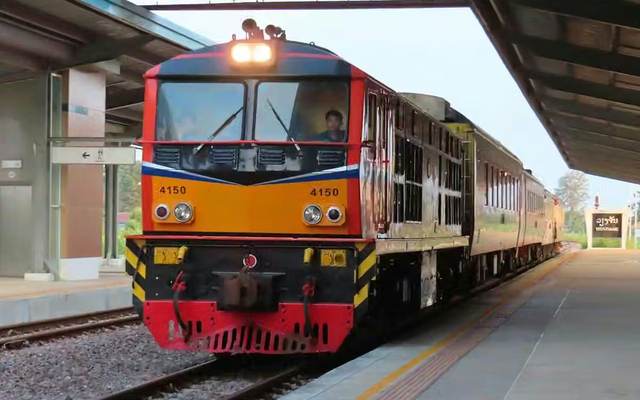
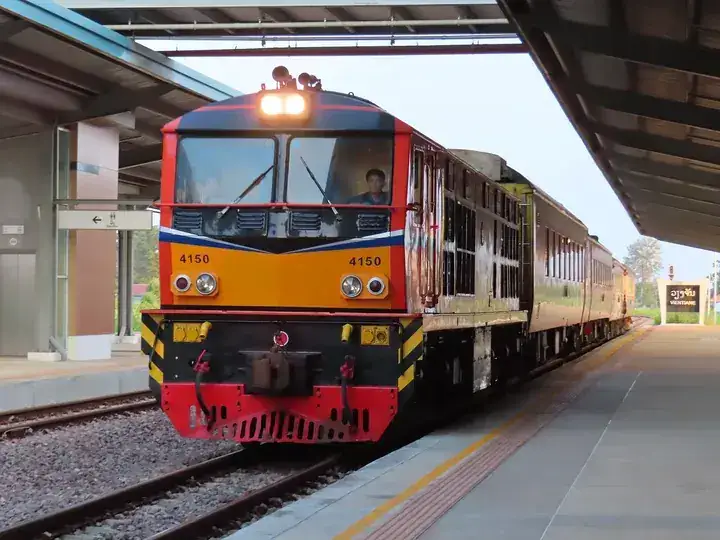
Thai railway train approaching Khamsavath station in Vientiane

One capital, two systems

Two railways meet in Vientiane

Luang Prabang and China trains use Vientiane Railway Station. Nong Khai and Bangkok trains use Khamsavath.

Compare the stations

Before you book

Seven things to know before taking a train in Laos

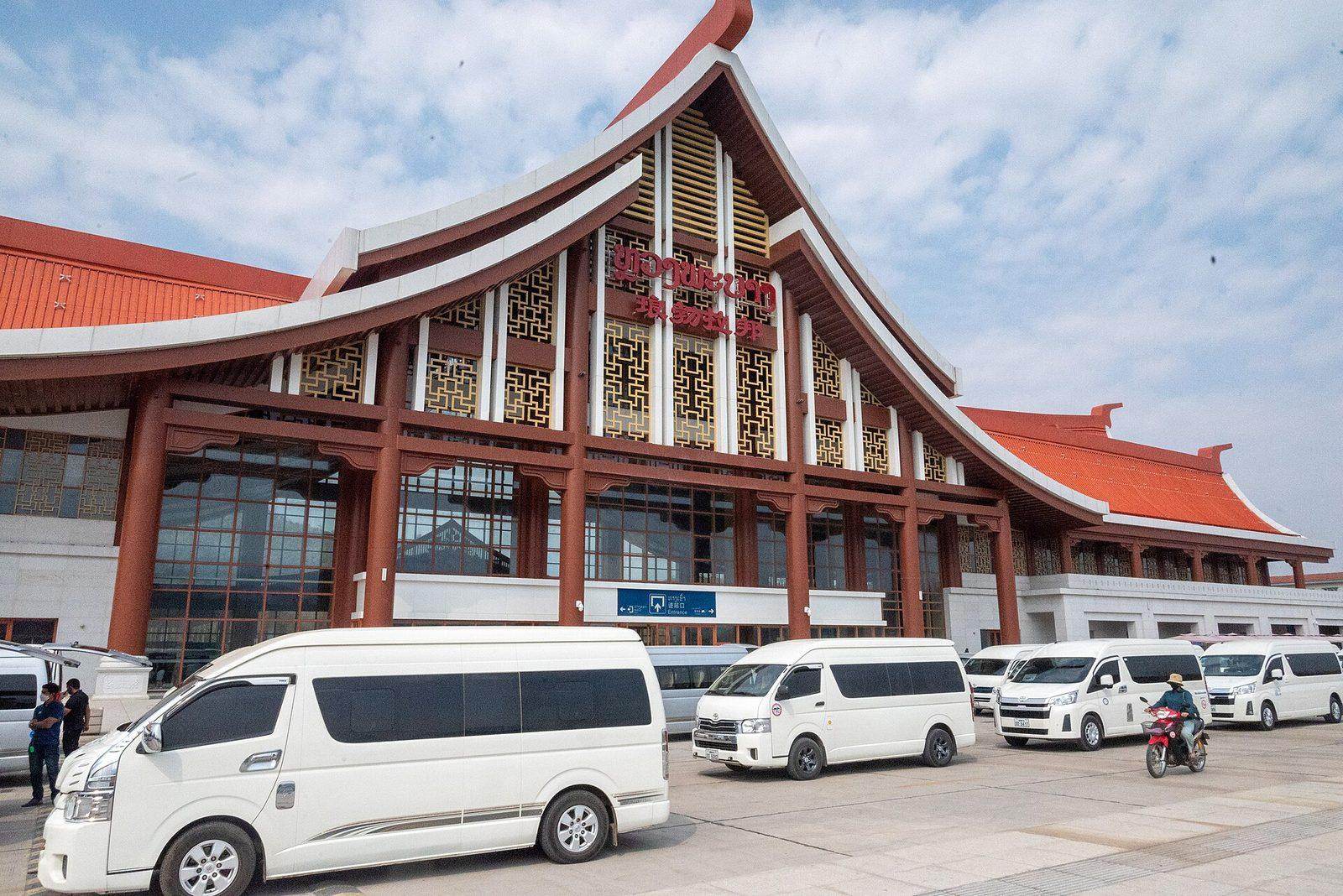
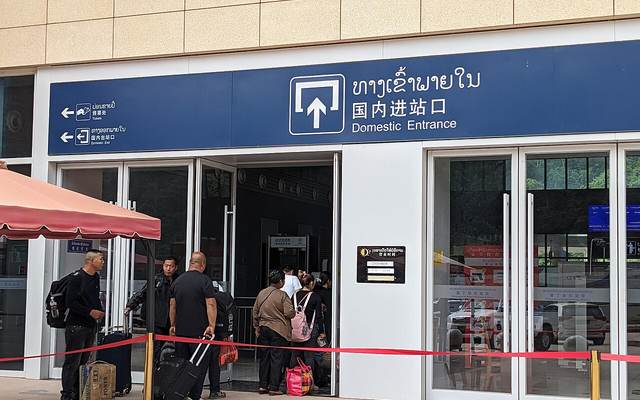
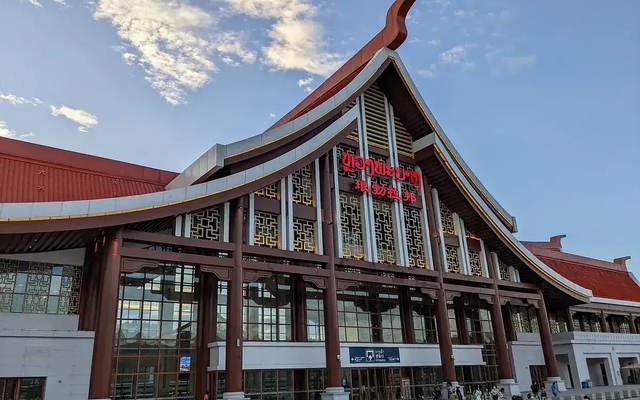
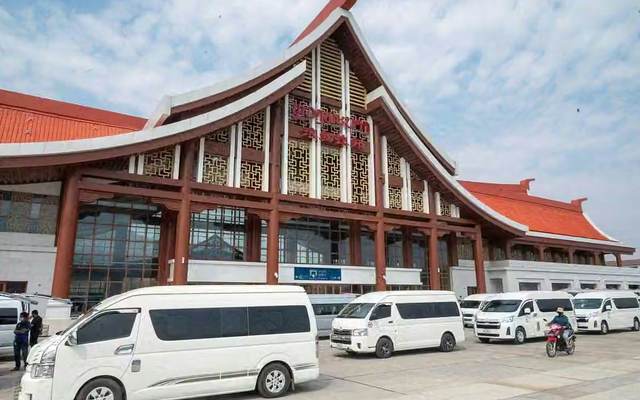
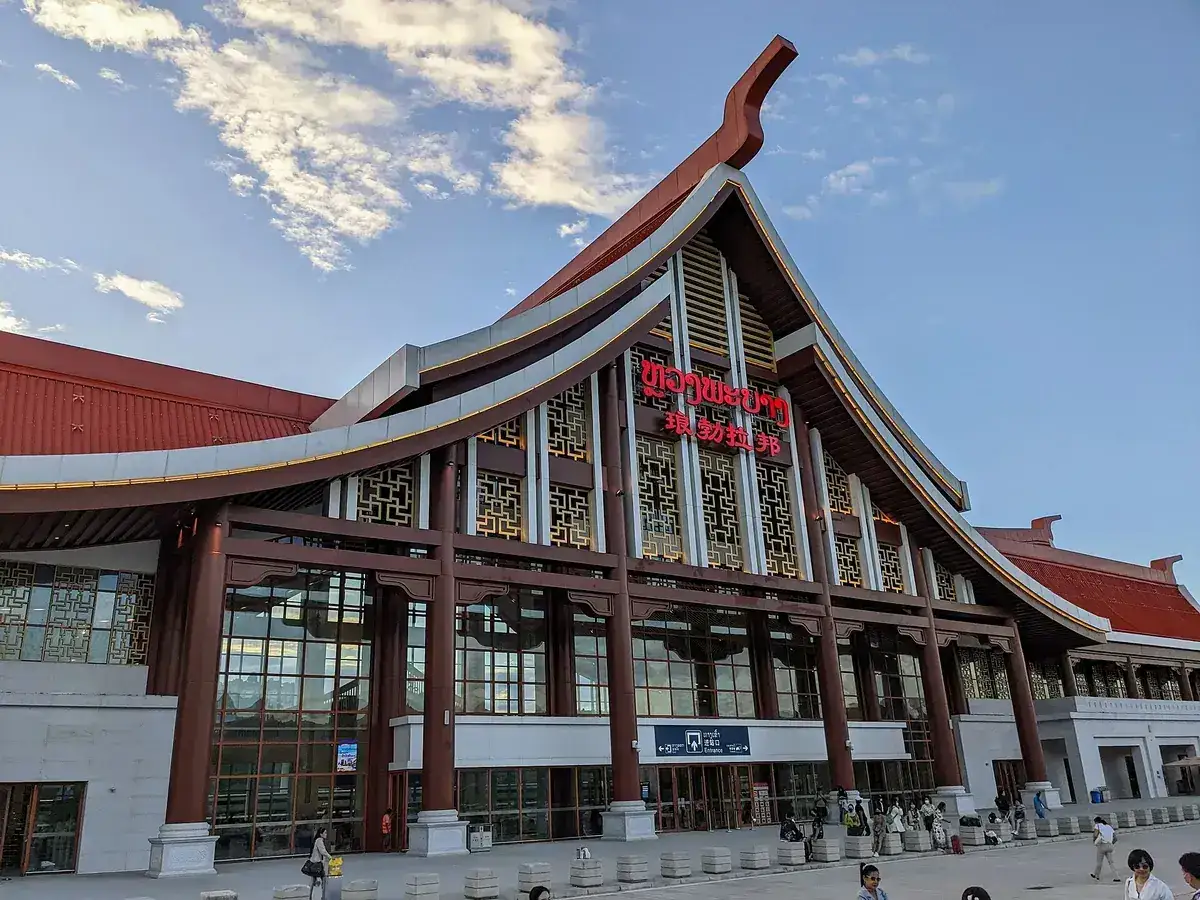
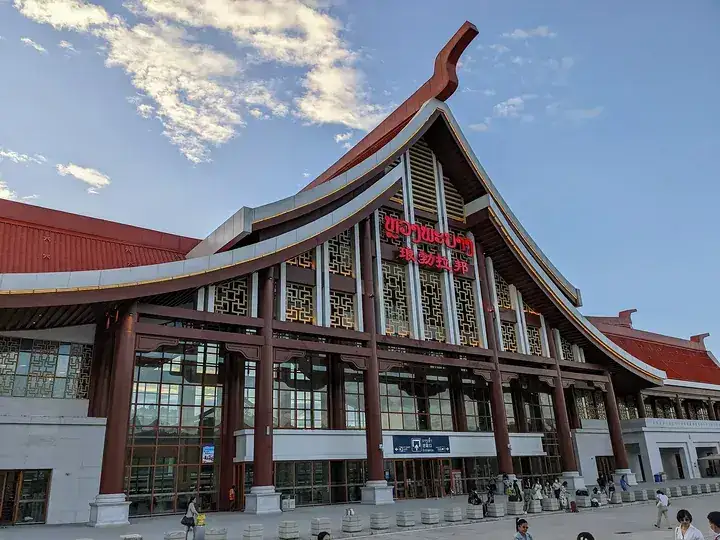
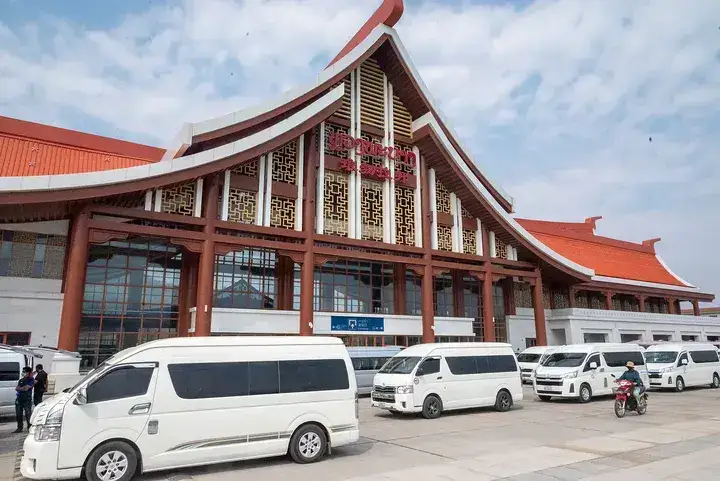
Vientiane Railway Station exterior 01

Vientiane has two important railway stations

Vientiane Railway Station is for Vang Vieng, Luang Prabang, Boten and China. Khamsavath is for conventional trains toward Nong Khai and Bangkok. Check the full station name before arranging a taxi.

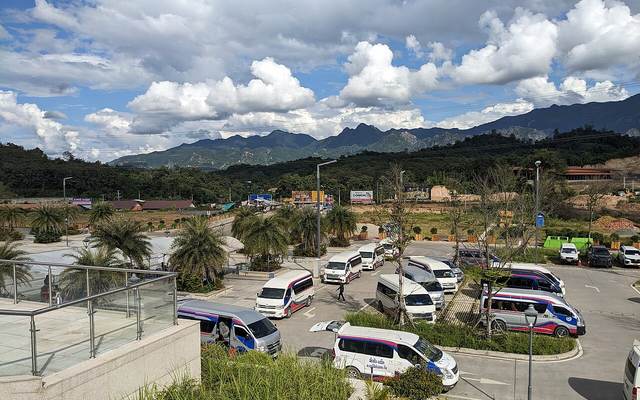
Boten railway station in a distant roadside setting 02

Most stations are outside town

Vientiane Railway Station is roughly 13–15 km from central Vientiane. Luang Prabang station is roughly 12 km from the historic center. The train may be fast, but the complete journey includes the station transfer.

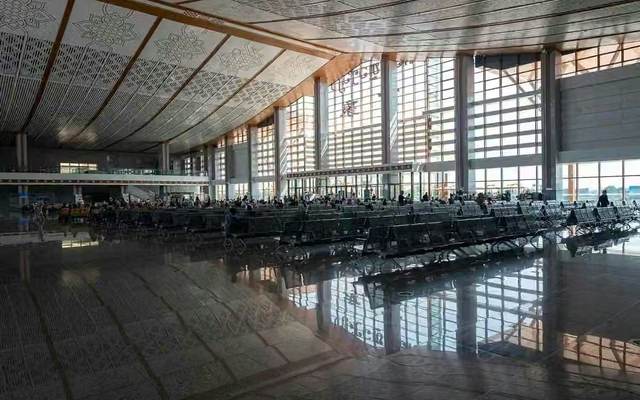
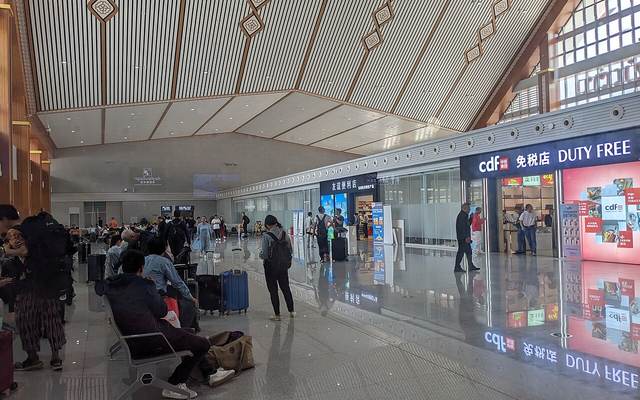
International departure waiting area at Boten station 03

Arrive earlier than for a normal European train

Passengers enter through security screening before reaching the waiting hall and platform. For a first domestic journey, 45–60 minutes is sensible practical guidance; plan a comfortable buffer instead of arriving at departure time.

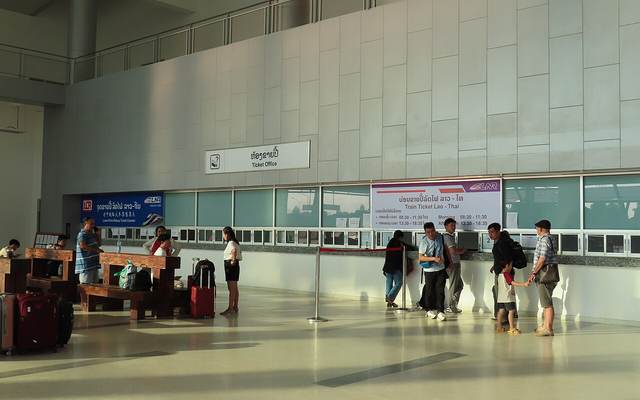
Ticket office at Vientiane Khamsavath station 04

Bring the passport used for booking

Passenger identity is tied closely to railway ticketing and cross-border travel. Use real passport details and keep that same passport accessible rather than packed deep inside your luggage.

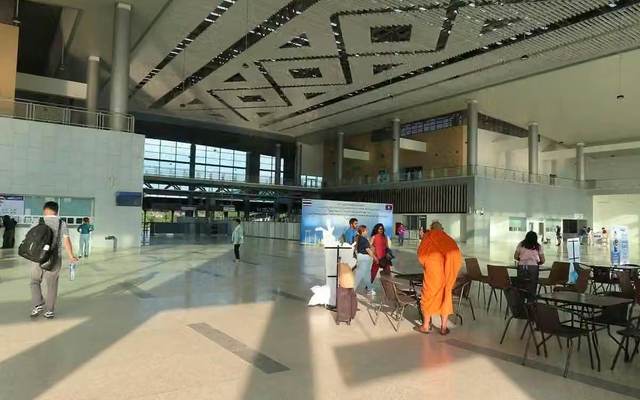
Travelers inside Khamsavath railway station 05

Trains can sell out

Popular departures between Vientiane, Vang Vieng and Luang Prabang can fill when ticket inventory opens. Do not assume you can always buy your preferred fast train shortly before departure.

Laos–China Railway train at Vientiane 06

C, D and K are different kinds of service

C trains are fast domestic services, D trains are international services, and K trains are slower ordinary services with different seating and stopping patterns.

Thai train approaching Khamsavath station 07

Thailand and China are not one continuous train

A traveler crossing Vientiane between the Thai railway and the Laos–China Railway must change stations by road. There is no same-platform connection between Khamsavath and Vientiane Railway Station.

Checked October 2026

What is running now?

The main Laos–China Railway corridor is operating between Vientiane, Vang Vieng, Luang Prabang, northern Laos and Boten. International D-series trains continue into China. Thai conventional services use Khamsavath.

New northern pattern

C95 / C96

C95: Boten 08:00 → Vientiane 11:47
C96: Vientiane 14:05 → Boten 18:32

Introduced 28 September 2026; selected operating days. Stops: Boten, Nateuy, Xay, Luang Prabang, Vang Vieng and Vientiane.

Train times can change. Treat the examples here as planning information, then check your selected travel date before paying.

Popular journeys

The journeys most visitors actually use

Vang Vieng limestone landscape

Classic first rail leg · about an hour

Vientiane → Vang Vieng

The useful shortcut at the start of a Vientiane–Vang Vieng–Luang Prabang itinerary.

Leaving Vientiane
Allow for the drive from the center plus station security.
Reaching town
Vang Vieng station is outside the riverside area; arrange a taxi, shared transfer or hotel pickup.
Train and class
A C-series train is normally most practical. D-series can work when sold domestically, and second class is enough for most travelers.

A one-hour train is not a one-hour hotel-to-hotel trip.

Check Vientiane → Vang Vieng
Luang Prabang railway station

The biggest road-time saver · around two hours

Vientiane → Luang Prabang

This is where the railway changes the itinerary: the road trip is substantially longer and more tiring.

Departure
Vientiane Railway Station is outside the center, so build the transfer and security buffer into the morning.
Arrival
Allow roughly another 20–30 minutes by road from Luang Prabang station to the historic center in normal conditions.
Class choice
Second class is the value option. First class buys space rather than a faster journey.

Compare full door-to-door time—not a “two-hour train” against a bus.

Check Vientiane → Luang Prabang
Laos–China Railway train crossing mountain terrain

The natural second leg of the three-city trip

Vang Vieng → Luang Prabang

The rail leg is short enough that a departure after breakfast can still leave useful time in Luang Prabang.

Before boarding
Allow road-transfer time from Vang Vieng's tourist area to the station.
After arrival
Luang Prabang station is outside town; have onward transport in mind.
Seat
Second class is generally sufficient for a journey of this length.

Staying in Vang Vieng? Book two journeys; do not buy Vientiane–Luang Prabang and skip the stop.

Check Vang Vieng → Luang Prabang
Train at Luang Prabang station platform

Useful before a flight or onward trip to Thailand

Luang Prabang → Vientiane

Your hotel may be in the old town, but the station is well outside it. Arrange the pickup early enough to protect the security buffer.

Vientiane arrival
The Laos–China Railway terminal is outside the central area too.
Same-day plans
Leave substantial transfer time before a flight, bus or another train.
Thailand connection
Thailand-facing trains leave from Khamsavath—not the station where this train arrives.

Do not plan an onward Thailand train as a same-platform connection.

Check Luang Prabang → Vientiane
Transfer vans outside Boten railway station

Northern Laos and the Chinese border corridor

Luang Prabang → Boten

Boten is the last major Lao railway point before China, but not every northbound traveler needs to go that far.

Choose the right stop
Nateuy can be more relevant for some Luang Namtha-area road journeys.
Domestic travel
A ticket to Boten can simply be a northern Laos trip; it does not require crossing the border.
Continuing to China
Use an international service and expect immigration procedures within the journey.

Match the station to the onward road destination before booking.

Check Luang Prabang → Boten
International train for Kunming at Boten station

A full-day international D-series journey

Vientiane → Kunming

This is not simply a long domestic train: Lao exit formalities take place at Boten and Chinese entry procedures around Mohan.

Before buying
Confirm passport and Chinese entry eligibility for your travel date.
On the day
Carry food and water, save maps and documents offline, and keep border paperwork accessible.
Clock change
China is one hour ahead of Laos; timetable times are local on each side.

Border time is why the schedule cannot be judged by distance alone.

Check Vientiane → Kunming
Thai railway train at a Vientiane platform

Overnight from Thailand without flying

Bangkok → Vientiane

The train reaches Khamsavath. If Vientiane is your destination, continue into the city by road; if Vang Vieng or Luang Prabang is next, another station is involved.

Khamsavath→Road transfer across Vientiane→Vientiane Railway Station→Second train

Do not book the onward Laos–China Railway departure as if it were a platform connection. A night in Vientiane can be safer than forcing a tight same-day transfer.

Check Bangkok → Vientiane

The honest answer

Is the Laos train worth taking?

For Vientiane, Vang Vieng and Luang Prabang, usually yes. The railway removes many hours of winding road travel and makes it realistic to move between the three cities without losing most of the day. The trade-off is that stations are not in the city centers, security takes time and the booking window is shorter than many travelers expect.

For a short journey such as Vientiane–Vang Vieng, the train itself may take only around an hour, but your complete trip includes the ride to the station, security, boarding and transport from the arrival station. For Luang Prabang, this still normally beats the road journey by a large margin.

Best use of the railway

  • Vientiane ↔ Vang Vieng
  • Vang Vieng ↔ Luang Prabang
  • Vientiane ↔ Luang Prabang
  • Northern Laos stops
  • China connections

When another option can make sense

  • Door-to-door hotel transport matters more than speed
  • The useful train is very early or late
  • A private vehicle is competitive for your group
  • Your destination is not close to the railway

Plan the complete trip

Train time and travel time are not the same thing

A timetable can make the railway look almost unbelievably fast. It is fast—but the scheduled train time is only one part of the journey.

01

Vientiane → Vang Vieng

  1. Central Vientiane → station: ~30–45 min
  2. Arrival buffer: ~45–60 min
  3. Train: roughly 1 hour
  4. Vang Vieng station → town: local transfer

A one-hour train can become a three-hour door-to-door journey. It is still often quicker and more comfortable than the road.

02

Vientiane → Luang Prabang

  1. City transfer to the station
  2. Security and controlled boarding
  3. Fast train: roughly 2 hours
  4. Station → old town: ~20–30 min

The railway remains significantly faster than the road, but do not schedule a hotel check-in or tour using train time alone.

03

Vang Vieng → Luang Prabang

  1. Transfer out to Vang Vieng station
  2. Security and boarding
  3. Short fast-train journey
  4. Transfer into Luang Prabang

The rail leg can be shorter than the time you spend getting to and from the stations.

Choose for the whole day

Which departure should you choose?

Do not choose only by the earliest departure. Compare four things: train type, arrival time, station transfer and seat availability.

Fastest is not always best

A later C train can be more useful if it avoids a very early hotel departure and still reaches town at a practical time.

D trains work domestically too

International D-series services may sell Lao domestic segments when inventory is available.

K trains can solve a sold-out day

Slower does not mean useless. An ordinary train may fit when the fast options are full or skip your stop.

Arrival time matters

An evening arrival may cost more in transport or make a hotel transfer harder, even when the train itself is convenient.

Planning examples

Laos train timetable: useful departures

Examples checked against October 2026 timetable information. Times can change, some trains run only on selected days and seat availability varies by date.

Northbound from Vientiane

Train Vientiane Vang Vieng Luang Prabang Boten Type

Southbound toward Vientiane

Train Luang Prabang Vang Vieng Vientiane Type

* C95/C96 follow a selected-day pattern introduced in late September 2026. C81 and C98 are omitted because current, consistent timing/operation could not be confirmed with sufficient confidence.

Time and cost

What do Laos train tickets cost?

Railway base fares and reseller prices are not always the same. Online totals may include handling, transfers or other extras. Compare the actual product, not just the headline amount.

Vientiane → Vang Vieng Fast: roughly 55–75 min
Vientiane → Luang Prabang Fast: roughly 1h45–2h20
Vang Vieng → Luang Prabang Often 50–80 min
Luang Prabang → Boten Roughly 1h30–2h

Approximate reference fare

Vientiane → Luang Prabang

Fast C-series, after the April 2026 reported increase:

ClassApprox. LAKApprox. USD
Business1,063,000 LAKabout $48
First569,000 LAKabout $26
Second360,000 LAKabout $16
Verify for your date. Not every departure carries every class.

Ordinary K11/K12 reference

Vientiane → Luang Prabang

AccommodationApprox. LAKApprox. USD
Soft sleeper / day mode579,000 LAKabout $26
Hard seat234,000 LAKabout $10

International reference

Vientiane → Kunming

ClassApprox. LAKApprox. USD
First2,592,000 LAKabout $116
Second1,626,000 LAKabout $73
International fares are an approximate planning reference and should be checked for the selected train.

Second class is usually the best-value choice for tourists. Paying for first class changes the seat and space, not the journey time. Business class can cost several times the second-class fare, which is harder to justify on a short ride such as Vientiane–Vang Vieng.

Marketplace prices may be higher than these railway reference fares because a booking service can include its own fee, payment cost or transfer package. Always check what the listed product actually includes.

USD equivalents use approximately 22,309 LAK per USD, based on the Bank of the Lao PDR reference rate dated 23 September 2026 and checked in October 2026. They are shown only to make the fares easier to understand; your actual card or reseller price can differ with exchange rates and service fees.

Two railway systems

Laos railway map

The crucial detail is the road transfer across Vientiane. The Thai metre-gauge line and the Laos–China standard-gauge line do not share a passenger platform.

BangkokThailand
Nong Khai
Vientiane KhamsavathThai railway terminal
Road transfer across Vientiane Different stations · allow city travel time
Vientiane Railway StationLaos–China Railway
Vang Vieng
Luang Prabang
Muang Xai
Nateuy
Boten Laos border
Mohan China border
Kunming
Thailand-facing conventional railway Laos–China Railway Road transfer

The detail that prevents the biggest mistake

Vientiane has two railway stations — do not mix them up

A ticket that says “Vientiane” is not enough information to tell your driver where to go. The capital has two important passenger stations serving different networks.

Exterior of Vientiane Railway Station

Laos–China Railway

Vientiane Railway Station

For Vang Vieng, Luang Prabang, Boten and China

The large modern station roughly 13–15 km northeast of central Vientiane. Allow around 30–45 minutes by road in normal traffic—and more when traffic is poor.

Open in Google Maps
Interior of Vientiane Khamsavath Railway Station

Thailand-facing railway

Vientiane Khamsavath

For Nong Khai and Bangkok

Also called Vientiane-Tai in some railway information. Direct and connecting Thai services use this station rather than the Laos–China Railway terminal.

Open in Google Maps
Changing trains?

Bangkok train → Luang Prabang train

You need a road transfer across Vientiane. Do not plan this like a same-station connection. Leave time for border formalities, city traffic, security and check-in at the second railway.

Ticketing

How Laos train tickets work

The railway is modern; the sales process is the part that surprises visitors. Domestic seats generally open close to departure, popular trains can sell out and tickets are linked to passenger identification.

Official LCR Ticket app

LCR Ticket is the official app of the Laos–China Railway Company. It supports search, reservations, online payment, changes, refunds, order history and passenger management. Foreign visitors still report occasional registration, payment or passport-entry problems, so an agent can be useful when the departure matters.

7

days before departure

Current 2026 sources consistently report a roughly seven-day domestic sales window. Treat that as current guidance, not a permanent rule.

ID

Passport-linked booking

Use the passenger’s real passport details and carry that same passport to the station.

↻

“Sold out” may be partial

A departure, class or reseller allocation can sell out while another train remains available. Search the whole day.

Booking window

When should you book Laos train tickets?

The booking window is unusually short compared with European rail systems. Current 2026 guidance points to domestic inventory opening roughly seven days before departure. Planning the itinerary months ahead does not necessarily mean you can buy the train months ahead.

7+ days before

Plan, but do not panic

Choose your intended train and at least one acceptable backup departure.

When inventory opens

Book if timing matters

Popular tourist routes and convenient C-series departures deserve attention first.

1–2 days before

Expect less choice

You may still find seats, but your preferred class or departure can be gone.

Same day

Do not rely on it

Same-day seats can exist, but they are a weak plan for a popular fast train.

For Vientiane–Luang Prabang and Vientiane–Vang Vieng, keep a second acceptable departure time during busy periods.

Backup plan

What to do if your preferred train is sold out

A sold-out result may refer to one departure, one class or one seller's allocation—not every way to make the trip.

  1. 1

    Search the full day. Another departure may still have seats.

  2. 2

    Check C- and D-series trains. International trains may sell domestic segments.

  3. 3

    Look at K-series availability. Slower can still be useful.

  4. 4

    Search in reverse only when relevant. A reverse result does not help your actual direction.

  5. 5

    Split only when it works operationally. Leave a real connection margin.

  6. 6

    Use road transport as the fallback. A bus or minivan is better than an impossible rail plan.

Do not buy two unrelated tickets that create an impossible connection just because both appear available.

At the station

The station works more like an airport than an open platform

  1. 1

    Arrive at the correct station

    Road travel to the station is part of the journey.

  2. 2

    Enter through security

    Baggage is screened before the waiting area.

  3. 3

    Keep passport and ticket ready

    Do not bury them in a large backpack.

  4. 4

    Wait in the departure hall

    Platforms are not freely open long before departure.

  5. 5

    Listen for boarding

    Access opens before departure and closes again shortly before the train leaves.

  6. 6

    Find your carriage and seat

    Reserved trains use assigned carriage and seat numbers.

For a first domestic journey, aim for 45–60 minutes before departure unless your ticket or operator says otherwise. Allow more for international travel.

Luggage and security

Pack for the railway, not just the hotel

Fast-train passengers have historically been subject to a 20 kg luggage allowance. Bags remain with you; a normal domestic trip does not use an airline-style checked-baggage system.

Sharp, flammable and hazardous items may be refused during screening. Aerosols and products carrying flammable warnings can cause problems. If you carry something unusual, check the current railway rule first.

Keep handy

  • Passport
  • Ticket or QR code
  • Manageable luggage
  • Charged phone

Check before packing

  • Knives and tools
  • Large aerosols
  • Flammable products
  • Camping or sporting gear

Three-city luggage strategy

Traveling Vientiane → Vang Vieng → Luang Prabang with luggage

This itinerary is easiest with luggage you can move yourself. You will handle it at the hotel, taxi, security checkpoint, station and train each time you change city.

There is no normal airline-style checked-bag handoff. A smaller suitcase or backpack is easier, and passport plus ticket should stay separately accessible.

Make every transfer easier

  • Pack a bag you can lift yourself
  • Keep ID and ticket in a small day bag
  • Use hotel luggage storage when useful
  • Arrange arrival transfers for large bags
  • Confirm unusual baggage before travel

Choose the service, not only the time

C, D or K: which Laos train should you choose?

C

Fast domestic

The natural choice for Vientiane–Vang Vieng and Vientiane–Luang Prabang when the time and fare suit you.

Business, first and second class may be offered, depending on the train.
D

International

D87/D88 and D83/D84 appear in the current international corridor timetable. Domestic segments can also be sold when inventory permits.

Do not assume every international train sells every domestic segment.
K

Ordinary

K11/K12 are slower, call at more stations and use hard seats plus soft sleeper accommodation in daytime mode.

Useful when a smaller stop or the schedule fits better.

Comfort

Which seat class should you book?

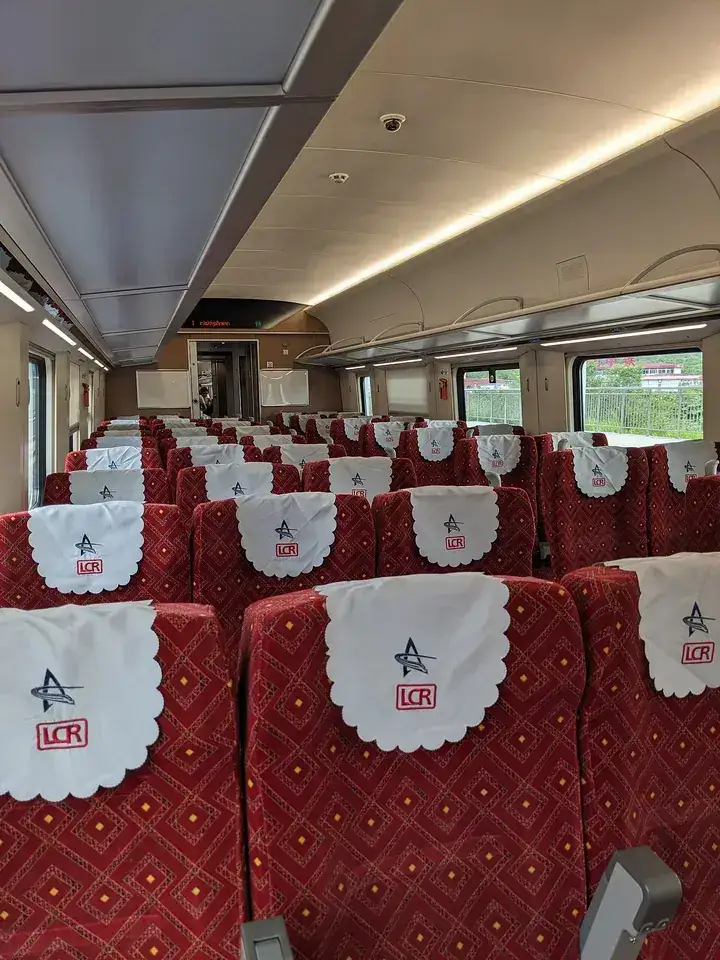
First class seats on a Laos–China Railway train

Business & first

Business is the premium option on selected C trains. First class offers more space without the full business-class premium. Availability depends on the train set.

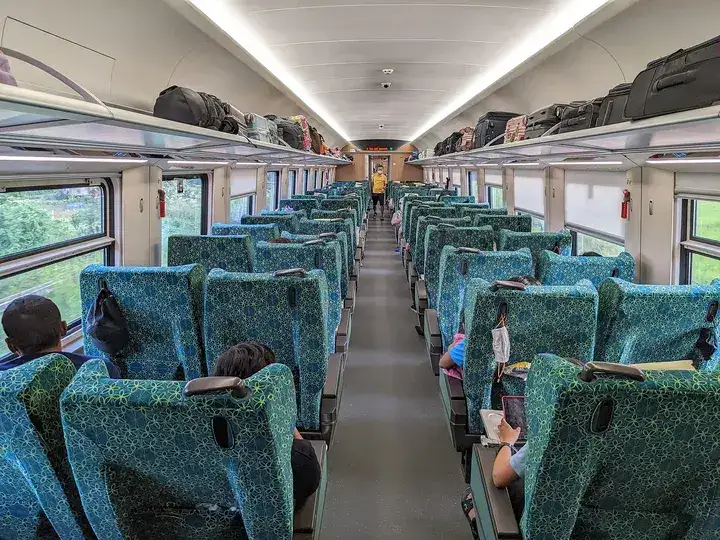
Second class seating on a Laos–China Railway train

Second class

Modern, air-conditioned and the same journey time as premium seats. The main compromise is width and personal space.

For most tourists, second class is enough.

K-train accommodation

Ordinary trains use hard seats and soft sleeper compartments in daytime mode. Do not assume these products map exactly to C-train “second class.”

The practical choice

First or second class: what should a tourist actually book?

Choose second class if…

  • value matters
  • the journey is short
  • you only need a comfortable reserved seat
  • you are traveling Vientiane–Vang Vieng

Choose first class if…

  • extra space matters
  • you have more luggage
  • you prefer a quieter cabin
  • the price difference is acceptable

Choose business if…

  • comfort matters much more than price
  • the exact train offers it
  • you want the premium product on a longer ride

For most visitors, second class is the default recommendation.

Seat choice

Does it matter which side of the train you sit on?

Unlike some famous scenic railways, the Laos–China Railway spends long stretches in tunnels and cuts directly through mountainous terrain. There is no single side that guarantees the best view for the whole journey.

If you care about scenery, a window seat matters more than choosing left or right.

Stay prepared

Expect tunnels—and periods without mobile signal

The railway was engineered through difficult mountain terrain, so do not expect uninterrupted countryside views or continuous mobile data.

  • ticket or QR code
  • hotel address
  • offline map area
  • transfer contact
  • address in Lao if needed

The train is fast enough that signal loss is usually an inconvenience rather than a serious problem.

Core Laos routes

Vientiane to Vang Vieng by train

Fast trains usually cover the railway journey in about an hour. Include the departure and arrival transfers in your schedule.

  • Use Vientiane Railway Station, not Khamsavath.
  • C and some D services are fastest; K is slower when scheduled.
  • Vang Vieng station is outside the tourist center.
Check Vientiane → Vang Vieng
Vang Vieng mountains at dusk

Vang Vieng to Luang Prabang by train

This short leg makes the three-city itinerary practical. Faster services can take about an hour; station transfers on both ends still matter.

If you want to stay in Vang Vieng, book Vientiane–Vang Vieng and Vang Vieng–Luang Prabang separately.

Check Vang Vieng → Luang Prabang
Train crossing a river north of Luang Prabang

Vientiane to Luang Prabang by train

Fast trains cover roughly 239 km in about two hours on many services—but the train is two hours; your journey is longer.

  1. Transfer from central Vientiane
  2. Arrive early for security
  3. Take the train
  4. Exit Luang Prabang station
  5. Transfer roughly 12 km into town

Compare the complete door-to-door journey, not only the scheduled rail time.

Luang Prabang railway station facade

The first transfer

Getting to the station is part of the trip

Vientiane

The Laos–China Railway station is far enough from central Vientiane that walking is not practical. Arrange a taxi, app-based car where available, hotel transfer or local transport with enough margin for traffic.

Vang Vieng

The station is outside the main tourist strip. Do not plan to walk to a riverside hotel with luggage.

Luang Prabang

The station is well outside the old town. Shared vans, taxis and hotel transfers are common choices.

Especially in Vientiane

Show the driver the station name—not just “train station”

A first-trip framework

The easiest Laos railway itinerary

Vientiane 2 nights
→
Vang Vieng 2–3 nights
→
Luang Prabang 3–4 nights

There is little advantage in booking straight through to Luang Prabang if Vang Vieng is already part of your plans.

5 days

Quick

Vientiane 1 · Vang Vieng 1 · Luang Prabang 3

7 days

Balanced

Vientiane 2 · Vang Vieng 2 · Luang Prabang 3

9 days

Slower

Vientiane 2 · Vang Vieng 3 · Luang Prabang 4

First train trip checklist

Before leaving your hotel

Ten quick checks prevent most expensive, stressful mistakes.

  • Confirm the full station name
  • Check departure time
  • Check train number
  • Keep passport accessible
  • Save ticket offline
  • Leave enough road-transfer time
  • Pack only railway-compliant items
  • Confirm arrival transfer
  • Charge your phone
  • Download hotel address and map

Remove the ambiguity

What to tell your hotel or driver

Show the full wording below. In Vientiane, the system name is as important as the city name.

Going north from VientianeVientiane Railway Station — Laos–China Railway
Going to ThailandKhamsavath Railway Station — Vientiane
Luang PrabangLuang Prabang Railway Station
Vang ViengVang Vieng Railway Station

Choose the transport, not the hype

Train or bus?

QuestionTrainBus / minivan
SpeedMuch faster on the core rail corridorSlower
Station locationOften outside townOften closer to tourist areas
BookingShort booking windowUsually flexible
SecurityAirport-style screeningSimpler boarding
ComfortModern reserved seatingDepends heavily on vehicle
RoutesLimited to railway corridorWider network

For Vientiane–Vang Vieng–Luang Prabang, the train normally wins on speed. For places away from the railway, road transport remains essential.

Station guide

Laos railway stations travelers actually need

Vientiane Railway Station

Vientiane Railway Station

Laos–China Railway · roughly 13–15 km northeast of the center. Allow about 30–45 minutes by road.

Serves: Vang Vieng, Luang Prabang, Boten and China.

Avoid: Do not confuse it with Khamsavath.

Open in Google Maps ↗
Vang Vieng landscape near the railway corridor

Vang Vieng

Laos–China Railway · outside the tourist area. Arrange a taxi, shuttle or tuk-tuk after arrival.

Serves: Vientiane, Luang Prabang and northbound corridor stops.

Avoid: Do not assume the station is walkable from your riverside hotel.

Open in Google Maps ↗
Luang Prabang Railway Station

Luang Prabang

Laos–China Railway · roughly 12 km from the historic center, commonly 20–30 minutes by road.

Serves: Vientiane, Vang Vieng, Boten and China.

Avoid: Arrange the old-town transfer rather than planning to walk.

Open in Google Maps ↗
Platform on the northern Laos railway corridor

Muang Xai

A useful northern Laos stop serving Oudomxay's provincial capital and onward road connections.

System: Laos–China Railway. Serves: corridor trains toward Vientiane, Boten and China.

Avoid: Confirm the road connection for any onward destination.

Open in Google Maps ↗
Laos–China Railway train in northern Laos

Nateuy

A rail access point for road connections toward the Luang Namtha area; the station is not central Luang Namtha.

System: Laos–China Railway. Serves: northern corridor and Luang Namtha road transfers.

Avoid: Do not book it expecting to arrive in central Luang Namtha.

Open in Google Maps ↗
Laos–China Railway train representing northbound services to Boten

Boten

The final major Lao station before the international rail border with China.

System: Laos–China Railway. Serves: Lao domestic stops and international trains via Mohan.

Avoid: A domestic ticket to Boten does not by itself take you into China.

Open in Google Maps ↗
Train arriving at Vientiane Khamsavath station

Khamsavath

Thailand-facing conventional railway · for Nong Khai and Bangkok, not Luang Prabang.

Serves: Nong Khai and Thailand-facing services.

Avoid: Do not go here for Luang Prabang.

Open in Google Maps ↗

International rail

Laos to China by train

International D-series trains link Lao stations with Yunnan without leaving the railway corridor. This is a real border journey, not a domestic train that happens to continue north.

Boten and Mohan

Boten is the Lao rail checkpoint; Mohan is the Chinese checkpoint. Immigration and customs procedures take place during the journey.

Time zones: Laos is UTC+7. China is UTC+8. Timetables may show local time on each side.

Check Chinese entry rules for your passport before buying.

Laos entry permission and Chinese entry permission are separate questions. Train availability does not prove border eligibility.

Boten checkpoint

Laos immigration currently lists the Lao–China Railway (Boten) checkpoint as open 06:30–22:00, with Visa on Arrival and eVisa support on the Lao side. Verify the rule for your nationality and direction of travel.

D88 example Vientiane 08:00 → Luang Prabang 09:46 / 09:50 → Boten 11:15 → Kunming South ~18:34 China time

D84 is a later international pattern, leaving Vientiane 11:25 and reaching Boten 14:31 before continuing into China.

Thailand to Laos

Bangkok to Vientiane by train

Thailand's conventional railway reaches Khamsavath station in Vientiane. This is not the terminal used by trains to Luang Prabang.

Train 133 Bangkok 21:25

Nong Khai 07:55 / 08:35
Khamsavath 09:05

Train 134 Khamsavath 18:25

Nong Khai ~18:55
Bangkok ~07:30 next morning

2026 planning times. Verify before travel, especially the arrival time and available seat/sleeper products.

Thai passenger train at Khamsavath station before returning to Bangkok

Signature cross-border route

Bangkok to Kunming through Laos by rail

Bangkok ↓ Nong Khai ↓ Khamsavath Road transfer across Vientiane Vientiane Railway Station ↓ Vang Vieng ↓ Luang Prabang ↓ Boten / Mohan ↓ Kunming
Treat Vientiane as a city transfer, not a train connection.

An overnight stop in Vientiane is more robust than an aggressive same-day connection built around two railway systems, border formalities and city traffic.

Do not build a tight same-day Thailand–China connection

The map makes Bangkok–Vientiane–Kunming look like one rail corridor. Operationally it is two different railways plus a road transfer across Vientiane. Border delays, traffic, station security and schedule changes can all affect the connection.

If the trip matters, spending a night in Vientiane is the safer plan.

Practical travel

What the train is actually like

The modern trains are straightforward once you are onboard. The practical differences are what to carry, what not to depend on and how the mountain railway affects the journey.

Interior of a CR200J passenger carriage

Inside the carriage

Air-conditioning, toilets and power

Modern C and D trains are air-conditioned; a light layer can be useful. Toilets are onboard, although the exact layout varies by train type.

Power availability also varies by train set and seat. Treat any socket as a bonus and board with a charged phone or power bank.

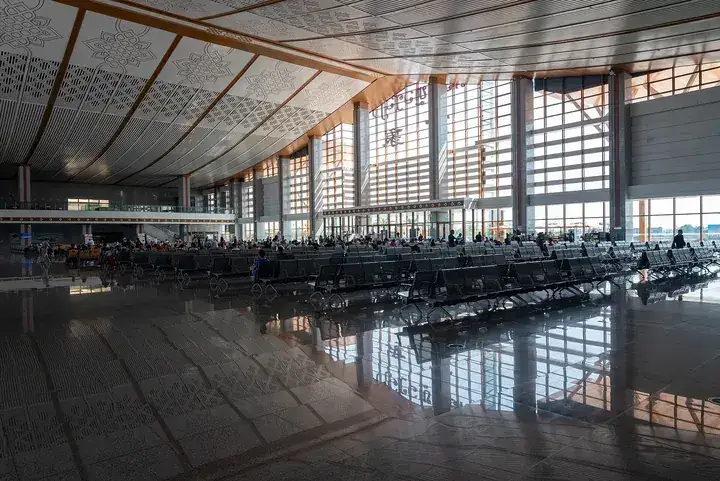
Waiting area inside Vientiane Railway Station

Before boarding

Food, drinks and traveling with children

Some stations and services have limited food choices. Bring water and a sensible snack rather than expecting a full restaurant service.

With children, keep passports and tickets together, arrive early and prepare food before boarding. Current child eligibility and fares should be checked in the booking result.

View from a Laos–China Railway train window

Across the mountains

Scenery, tunnels and mobile signal

Views open up between long mountain tunnels, so this is not continuous sightseeing. Mobile coverage drops in the tunnels and can be inconsistent elsewhere.

Save the ticket, hotel address, offline map and transfer contact before departure. Signal loss is usually brief relative to the journey.

Avoidable problems

Mistakes that cause most Laos train problems

Wrong Vientiane station Khamsavath and Vientiane Railway Station are not interchangeable.
Comparing only train time The platform is not beside your hotel.
Arriving five minutes early Security and controlled boarding change the timing.
Assuming every train has Business Classes depend on train type.
Stopping after one “sold out” result Check other trains and categories.
Using old three-day advice Current 2026 guidance is roughly seven days for domestic tickets.
Packing before checking security Baggage screening is real.
Treating Bangkok → Luang Prabang as one connection It uses two stations.
Booking China before checking entry rules A seat does not equal immigration eligibility.

Direct answers

Laos train FAQ

Is there a train from Vientiane to Luang Prabang?

Yes. Fast Laos–China Railway services connect them in roughly two hours on many departures.

How long is Vientiane to Vang Vieng?

Around an hour on many fast trains; exact times vary by service.

Which Vientiane station goes to Luang Prabang?

Vientiane Railway Station on the Laos–China Railway—not Khamsavath.

Which Vientiane station goes to Bangkok?

Vientiane Khamsavath Railway Station.

Are the two Vientiane stations the same?

No. They are separate stations on separate railway systems, connected by road.

How far is Vientiane Railway Station from the city?

Roughly 13–15 km northeast of central Vientiane. Allow around 30–45 minutes by road, traffic depending.

How far is Luang Prabang station from the old town?

Roughly 12 km, commonly around 20–30 minutes by road.

How early should I arrive?

For a first domestic journey, 45–60 minutes is a sensible practical buffer. Follow a different requirement printed by your ticket or operator.

Do I need my passport?

Yes. Use the same passenger identification used for the booking and carry it with you.

Can I buy tickets months ahead?

Usually no. Current 2026 sources report domestic tickets opening roughly seven days before departure.

What are C, D and K trains?

C is a fast domestic service, D is an international service that may also sell domestic segments, and K is a slower ordinary service.

Is second class good enough?

For most tourists, yes. It reaches the destination at the same time as premium classes; the difference is mainly space and seat comfort.

Is Business Class available on every train?

No. Class availability depends on the train and train set.

Is there a direct train from Bangkok to Vientiane?

Yes. Thai railway services cross into Laos and reach Khamsavath station in Vientiane.

Can I take one train from Bangkok to Luang Prabang?

No. Bangkok trains use Khamsavath; Luang Prabang trains use Vientiane Railway Station. Transfer across the city.

Can I travel from Laos to China by train?

Yes, subject to valid documents and current entry rules.

Where does Laos immigration take place?

At the Boten rail border checkpoint on the Lao side.

Can I use a Laos eVisa at the Boten rail checkpoint?

Current Lao immigration information lists eVisa support there. Verify the rule for your nationality and trip before travel.

Does the train have Wi-Fi?

Do not rely on it. Mobile signal also drops in tunnels, so download essentials before boarding.

Can I carry a large suitcase?

Normal luggage is possible, but fast services have historically used a 20 kg allowance. Verify current rules for unusually heavy or oversized bags.

Is the Laos train better than the bus?

On the Vientiane–Vang Vieng–Luang Prabang corridor, the train usually wins on speed and predictable comfort. Buses and minivans remain important for destinations away from the railway and can be more convenient door to door.

Can I walk from Luang Prabang station to the old town?

No. The station is roughly 12 km away, so a taxi, shared van or hotel transfer is the practical choice with luggage.

Can I walk from Vang Vieng station to town?

It is not recommended for most visitors with luggage. The station is outside the main tourist strip; arrange local road transport.

Can I choose my exact seat?

Seat-selection behavior depends on the booking channel and available inventory. Check what the booking flow actually offers rather than assuming a specific seat can be selected.

What happens if I miss my train?

Change, refund and rebooking conditions vary by ticket and seller. Do not assume a missed ticket transfers free to the next departure; contact the issuing channel immediately.

Can I bring food on the train?

Ordinary personal food is generally practical, but station and onboard choices can be limited. Avoid messy or strongly scented food and confirm any current security restriction for unusual items.

Is the Laos–China Railway scenic?

Parts are scenic, but the route also spends significant time in tunnels. Take it primarily for speed and convenience rather than expecting continuous open views.

Which class should I book from Vientiane to Vang Vieng?

Second class is normally sufficient for most tourists on this short trip. Pay more only if additional space matters to you.

Which class should I book from Vientiane to Luang Prabang?

Second class remains good value. First class is mainly a choice for more space and comfort; it does not arrive sooner.

What should I download before boarding?

Save the ticket or QR code, hotel address, offline map area, transfer contact and—when useful—the destination address in Lao.

You know which station. Now check the seat.

Search your Laos train

Compare bookable departures for your exact route and date.

Search train tickets